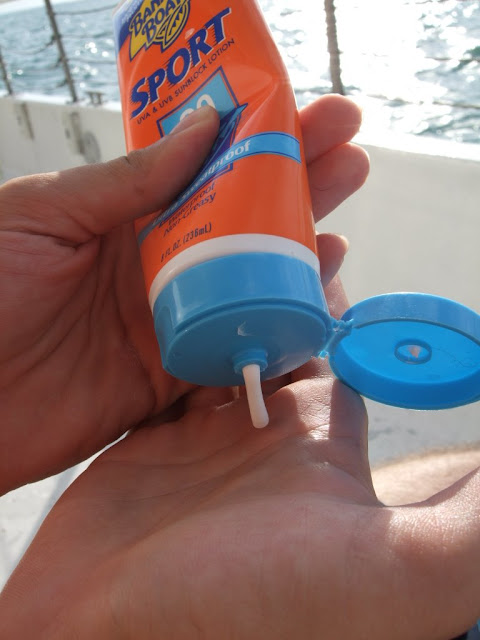
Earlier this month the FDA finally produced a report that was promised over 30 years ago, talking about the safety and recommendations for sunscreen products and their labeling and active ingredients. Unfortunately, it looks like the rulings are a little bit on the slack side when it comes to ingredient safety, as they simply gave a blanket ruling that current sunscreen ingredients are safe.
We know this to be somewhat untrue, as there are significant free-radical and hormone disruptor concerns with several VERY common ingredients. In fact, one major set of studies done by the Environmental Working Group has shown that as many as 65% of the sunscreen products on the market today contain a very harmful ingredient, oxybenzone. Oxybenzone can cause allergic reactions, is a potential hormone disruptor and penetrates the skin in relatively large quantities.
The major upside to the new FDA rulings are in the revised labeling and testing standards they have added. Major companies have 1 year to implement the new standards which will completely disallow terms like "waterproof" "sweatproof" and "sunblock" as these claims are impossible, and lead to consumer misuse of the products. They will also not allow any sunscreen product to claim a length of use of more than two hours without re-application.
Also, testing will be required to demonstrate the products ability to use the term "multi-spectrum" which indicates that they are covering both UVA and UVB wavelengths. UVB is the primary protection provided by the SPF term, which stands for Sun Protection Factor. UVB rays cause sunburns. UVA spectrum rays are the ones responsible for skin cancers and long term aging damage to the skin. Both are really needed to be safe in the sun.
For those of you who would rather not apply toxins or estrogen disrupting compounds to your skin, there are some products and ingredients that are much safer. Look for products that DO NOT contain Oxybenzone, but one of the safer compounds like Avobenzone (3% is the recommended safe level). The other way to go is with a mineral based creme, like titanium oxide or zinc oxide.
In the 1980s, titanium or zinc oxide products were a thick white creme that many people would not tolerate. Today, most mineral sunscreen products use nanoparticle form of the minerals that go on almost clear. The safety studies on nano-sized titanium and zinc are showing that there are very low levels of absorption into the skin, and the UVA/UVB safety levels are so good that its worth that low risk.
For information on sunscreen products and their ingredients you can visit the EWG's 2011 Sun Safety site
The EWG also maintains a general product safety database that you should be aware of called Skin Deep. Skin Deep contains thousands of personal care products and safety ratings on them and their active ingredients. Check it out, it can help you with your safety choices when it comes to the stuff you smear on your body, face and children.


No comments:
Post a Comment